


BLOG |
Adoption stories
Wilfrid Cubahiro is a computer science student from Burundi building Rurbit, a USSD Bitcoin bridge for rural Africa powered by the Blink API. This is his story.
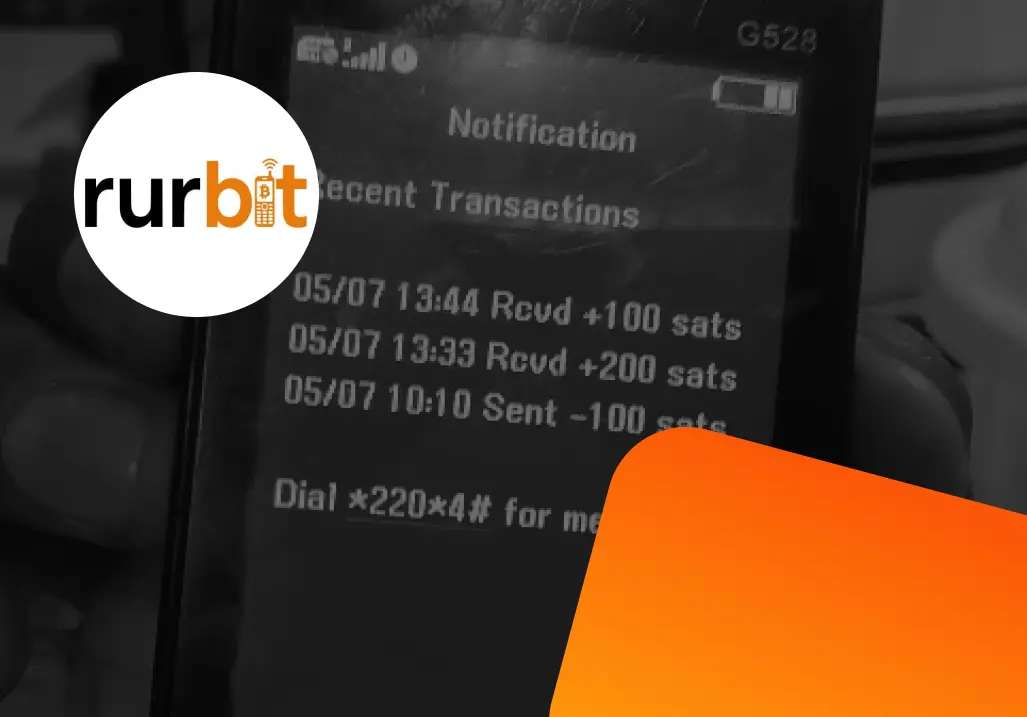


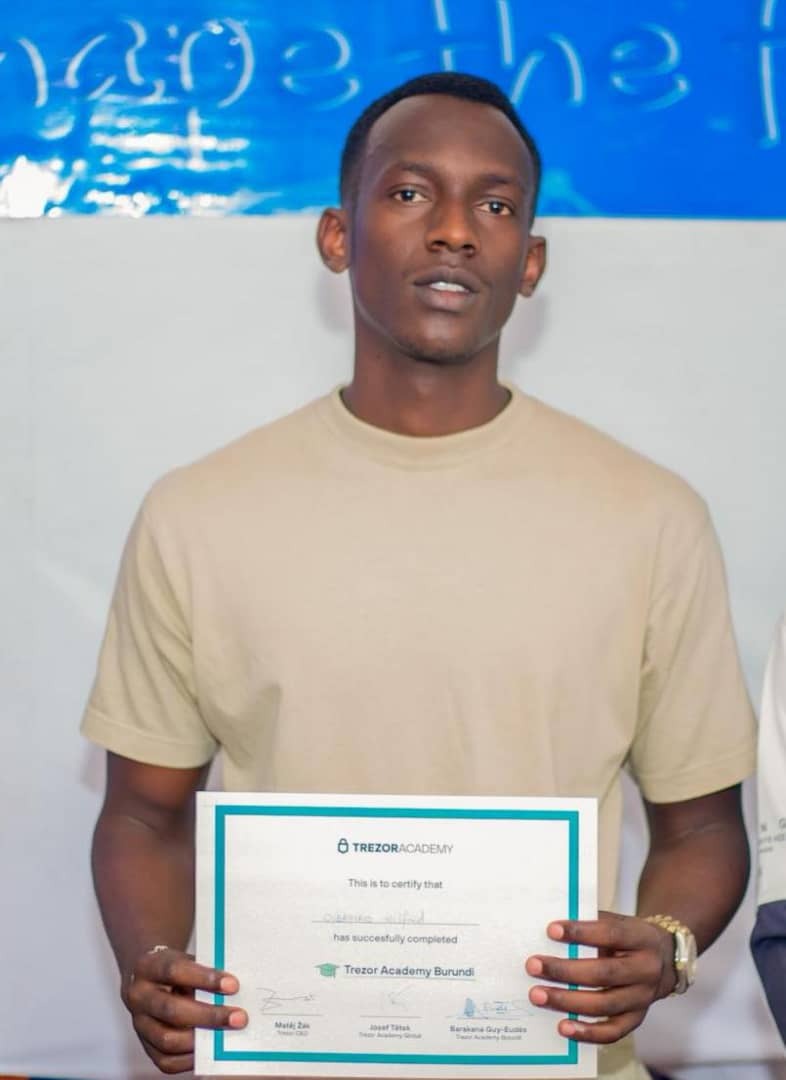
Most Bitcoin builders start with a problem they cannot stop thinking about. For Wilfrid Cubahiro, it was this: what does Bitcoin look like for someone in a rural village who has never owned a smartphone, cannot afford data, but has a basic phone and a number?
The answer he is building is called Rurbit.
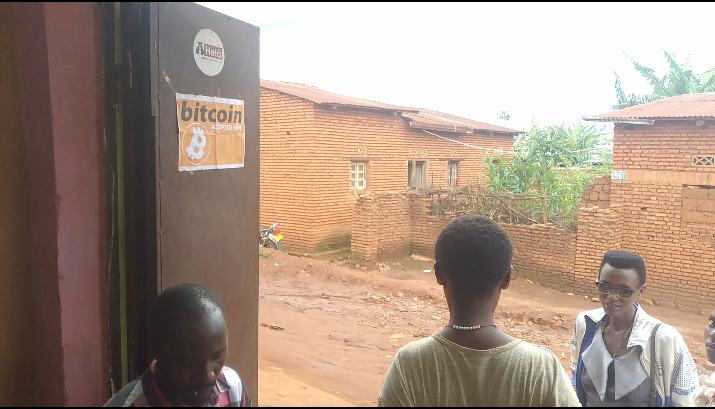
Bitcoin found Wilfrid through education. In March 2025, he joined a Bitcoin academy facilitated by Trezor Academy, and shortly after he joined the Bitdevs Gitega, a community of developers. It was early this year that he was selected for the Plan B Network Lugano summer Bitcoin school, a programme that takes students through deep Bitcoin masterclasses and gives them one assignment: build something real.
For Wilfrid it became a mission. The masterclasses surfaced ideas he had been sitting with, and when he came out the other side he had a clear picture of what he wanted to build. Rurbit existed in its earliest form shortly after.
He built it alone, a computer science student, a Blink API key, and a problem worth solving.
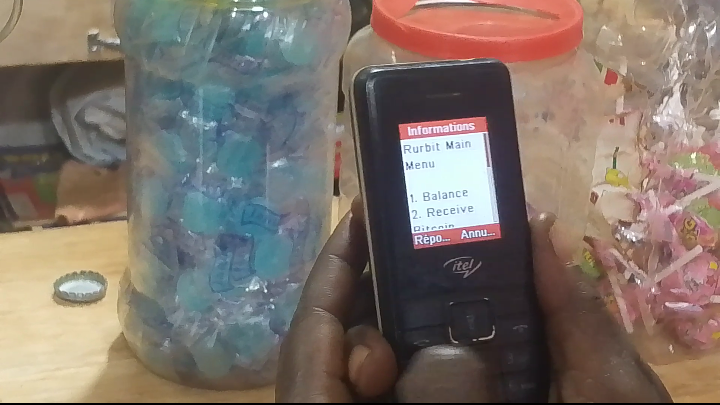
Rurbit is a USSD Bitcoin bridge that lets people in rural communities send and receive Bitcoin over Lightning. Additionally, it features a built-in Bitcoin AI educator available in Kirundi(the local language). All using the same feature phone menus they use to check airtime or send mobile money, no smartphone, no internet, no app.
USSD is the infrastructure that already powers mobile money across Africa. Users dial a short code, navigate text menus, and the service settles data costs with the telecom directly so the user pays nothing extra. Wilfrid is putting Bitcoin inside that same familiar interface.
On the backend, Rurbit runs on the Blink API. Every user gets a Lightning address on Rurbit's domain, short enough to type on a feature phone keypad and easy enough to share by SMS, with Blink handling the liquidity and infrastructure underneath.
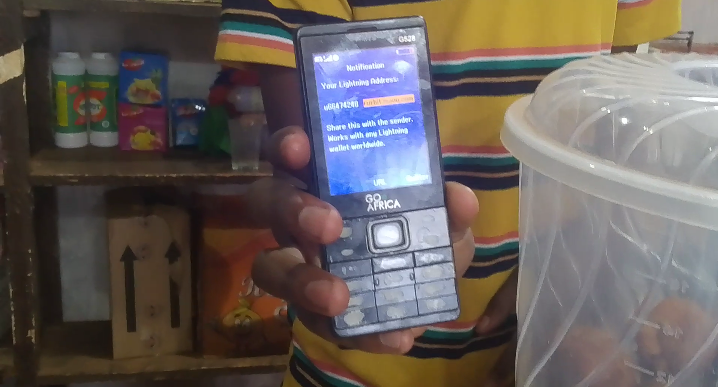
During Rurbit's two-week testing phase with ten users, Wilfrid sat down with a rural shop owner and walked him through how it works. The owner listened, then asked the question that made everything click: can my son in Tanzania send me money with this?
Yes. And that is exactly who Rurbit is for. Not urban Bitcoiners who already have wallets. The farmers, the small traders, the families stretched across borders are currently paying agents high fees to move money across the same distance Rurbit can cover for almost nothing.
For off-ramping, users currently connect with local Bitcoin holders who can convert to cash, with Mavapay flagged as a potential integration for markets like Nigeria where off-ramp infrastructure is more developed.
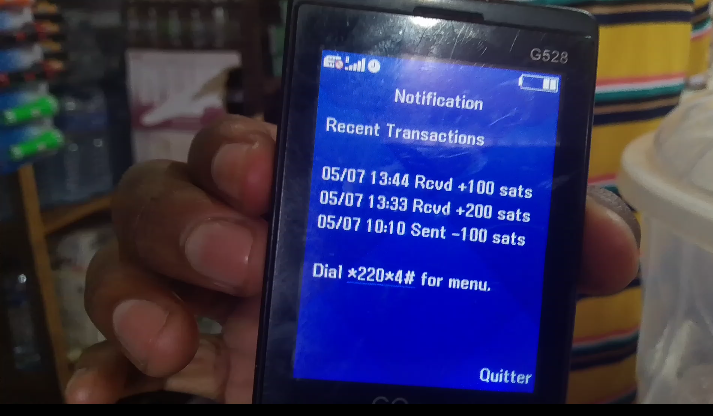
One Blink account sits at the foundation of Rurbit, with sub-accounts tracked by transaction ID so Wilfrid can see exactly which user sent or received what. Every transaction carries sender and recipient information, making it possible to run what looks like many individual wallets from a single Lightning node.
During our interview, my co-interviewer Anybeegirl flagged an important consideration for when Rurbit scales: each user should ideally have their own Blink account linked to their phone number, created through the API at Level 1 directly. That gives each user their own identity, account recovery, and a path to port their account to a smartphone when they are ready. The kind of detail that separates a clever MVP from something that can actually grow.
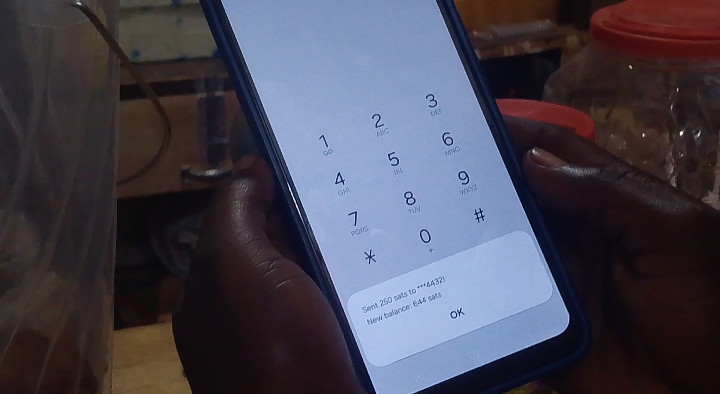
Building on USSD is not free. Acquiring your own USSD code in most African markets costs upwards of $10,000 with ongoing monthly fees on top. Wilfrid is currently working with a shared code arrangement, three months of access for $500 from an owner open to a longer arrangement as the project proves itself.
He estimates $500 gets the next phase running and the project moving beyond MVP. What he needs beyond that is USSD infrastructure, a Blink liquidity cushion, and the kind of support that turns a two-week test into a working circular economy.
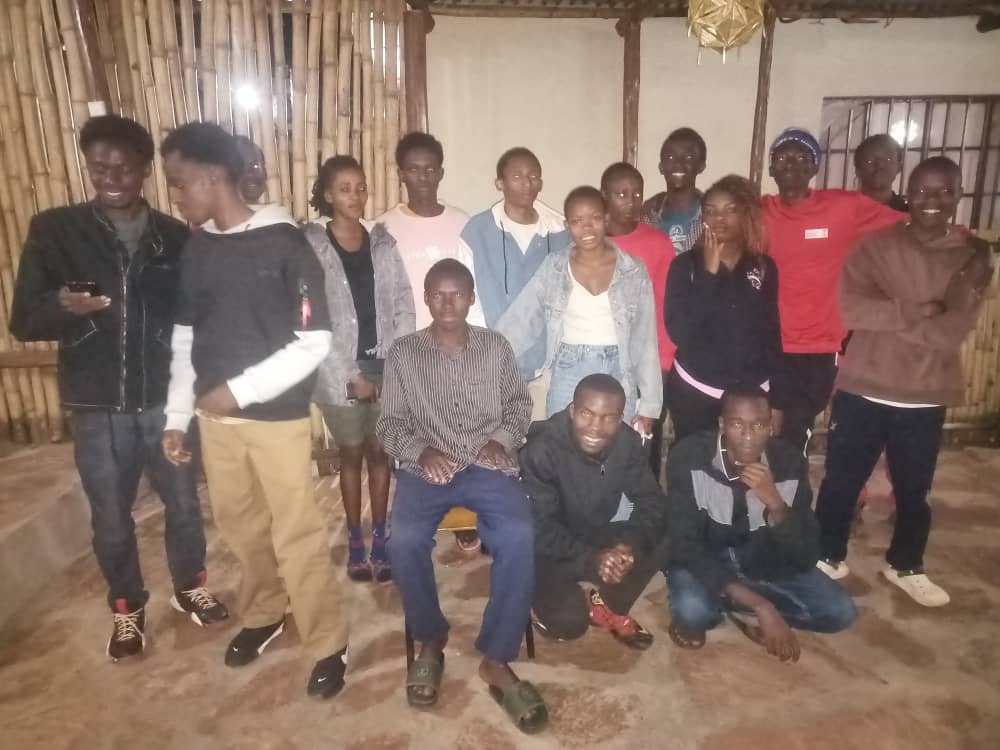
Wilfrid wants Rurbit running in every rural area of Africa, not as an app for the technically literate but as the financial layer for the farmer who walks two hours to town to send money home and pays a middleman a significant cut for the privilege.
He is a student, still learning, building mostly alone with support from a small circle of Bitcoin-aligned friends, and he presented none of this as finished. But the two-week test happened. Real users signed up. A shop owner's eyes lit up when he understood his son in Tanzania could send him Bitcoin.
That is the proof of work that matters. Bitcoin is not waiting for rural Africa to get smartphones, and Rurbit is making sure rural Africa does not have to wait either.
Follow the project at @rurbit and Wilfrid at @young2_go.
Start receiving and sending bitcoin now


