


BLOG |
Adoption stories
Inside the grassroots Bitcoin circular economy quietly transforming Kibera, one of Africa's largest informal settlements, a conversation with Ronnie, founder of Afribit Kibera.


Kibera is one of the largest informal settlements in Africa, a neighbourhood long associated with poverty, waste, and dependence on foreign aid. But quietly, brick by brick and sat by sat, a small team of passionate young people is rewriting that story. At the centre of it all is Ronnie Mdawida, the founder of Afribit Kibera, a community-first Bitcoin initiative that is proving what is possible when financial sovereignty meets grassroots trust.
Afribit Kibera is not a startup chasing funding rounds or a project born in a boardroom. It is the organic result of over a decade of community work, a deep understanding of Kibera's people, and a conviction that Bitcoin is not just a speculative asset, it is a tool for human dignity. I sat down with Ronnie to understand the full story, from its earliest days through to the living, breathing circular economy it has become today.
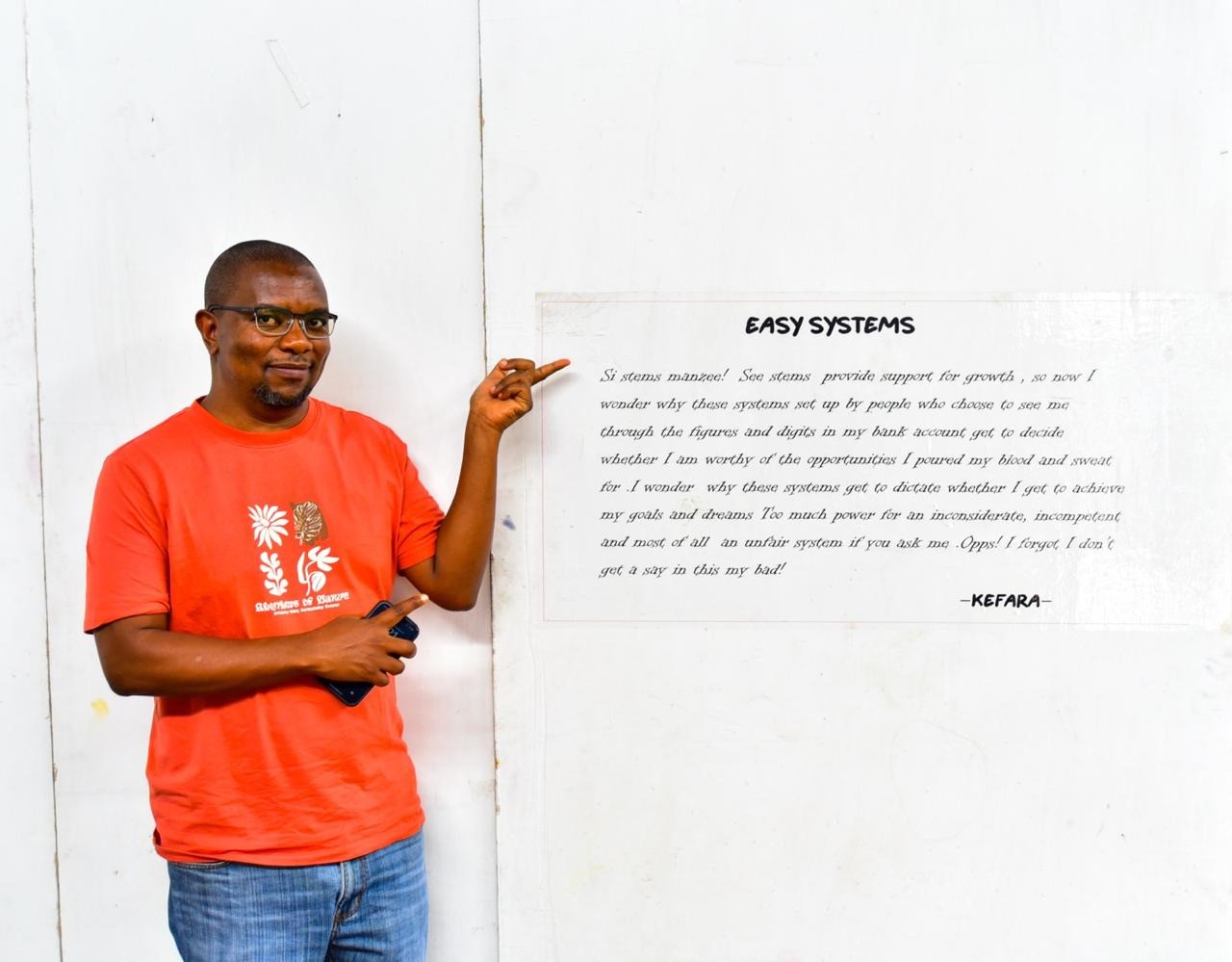
Ronnie Mdawida is not your typical social media personality. He operates quietly, preferring depth of engagement over breadth of following. Anyone who wants to reach him can do so through the Afribit Kibera handle on X or via the Afribit Kibera website, but his real home is the community of Kibera itself.
His professional roots run deep in community engagement and stakeholder relations. Since 2010, Ronnie has been designing and running community initiatives across Kibera and wider East Africa (from rural villages to informal settlements), building trust, adding value, and creating impact where institutions often fail. This foundation is not incidental to the Afribit Kibera story; it is the story.
"The story of Afribit Kibera cannot be told without the foundation that came before Bitcoin entered the picture." — Ronnie
It is this long history of earned trust and community embeddedness that makes Afribit Kibera different from the many circular economy initiatives that emerge with excitement and then quietly disappear.
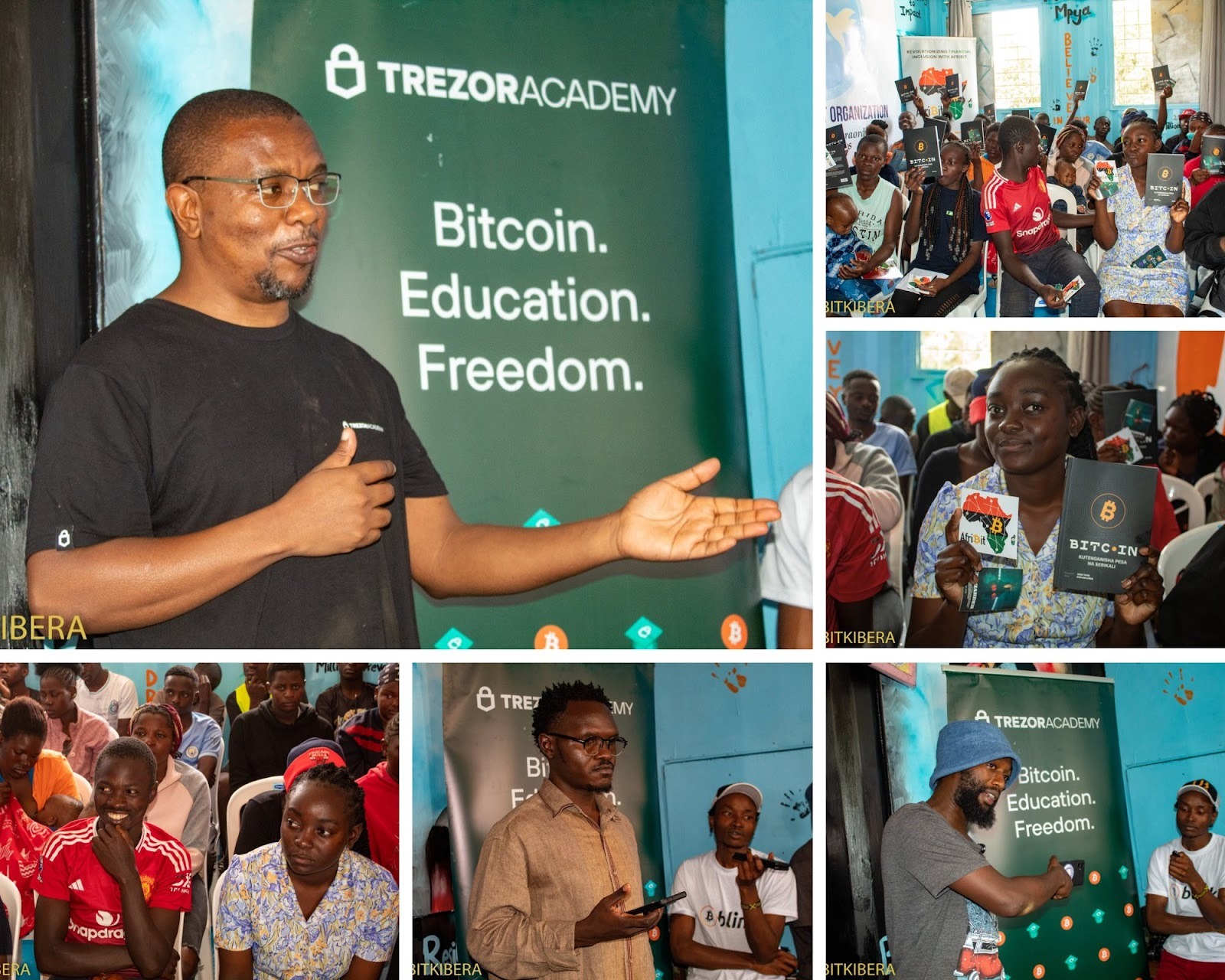
The Afribit Kibera Initiative formally began around 2019, but its roots stretch back further. It started as an education initiative, with Ronnie leveraging his community relationships to bring learning opportunities to young people in Kibera.
A turning point came when Yogi Golle, a long-time supporter of Ronnie's grassroots work and a technology professional, joined as a co-founder. Yogi proposed launching a Technical Software Development Programme, but with one non-negotiable condition: every participant had to begin with Bitcoin 101, a foundational course offered by Ivan on Tech Academy, now known as Moralis Academy.
From that starting point, the team began cultivating a community of young software developers united by an ambitious shared vision: the Afribit Marketplace. The concept was elegant, a platform that would allow someone in Nigeria to purchase goods from Kibera without the friction of currency conversion, sidestepping NGN-to-KES exchange entirely, with Bitcoin as the universal settlement layer.
After significant time and effort, the team hit a wall. Logistics proved too complex, and the marketplace idea was shelved. But the community they had built remained intact, and it was within this community that the next, more powerful chapter began.
As the team continued working with the group they had developed, a critical problem surfaced in 2022. Members of the waste management community in Kibera had lost their identification documents in a fire. Without those documents, they could not reactivate their bank accounts. They were locked out of the formal financial system, entirely de-banked, and without recourse.
Ronnie and his team saw this not as an obstacle but as an opportunity.
They asked a simple but radical question: What if Bitcoin could solve this? What if these people did not need a bank account at all?
"That was the path to the Bitcoin circular economy that we see in Kibera today. It started way back, built brick by brick, not by accident. It was built on the foundation of the Waste Management Programme." — Ronnie
The Bitcoin circular economy was born from necessity; the need to give economically excluded people a way to store, earn, and spend value without requiring the permission of any bank or government institution. The goal was simple but profound: to help people who had been locked out of the system become their own bank, with Bitcoin.
For a deeper dive into the project's roots, read: The Afribit Kibera Circular Economy Project: Bitcoin, Waste, and Financial Sovereignty

To understand Afribit Kibera is to understand Kibera itself. The community has long been caught in a cycle of dependency, perpetually reliant on foreign aid, lacking meaningful financial infrastructure, and systematically excluded from the instruments of wealth-building that others take for granted.
Ronnie and his team observed something critical: Kibera's people are not passive. They are hardworking and resourceful, but trapped in a system designed to extract value, not create it.
The question became: what would happen if the community could create and hold value within Kibera itself, minimising the constant leakage of economic energy outward?
Bitcoin offered an answer. If the youth could begin to think about waste collection in terms of satoshis, if merchants could start accepting Bitcoin payments, if families could save in a currency that could not be debased, the entire economic logic of dependency could begin to shift toward independence.
This insight aligned with what Hermann articulated at the Africa Bitcoin Conference 2025:
"Many new Bitcoin Circular Economies fail because they overlook this truth: successful BCEs are almost always built on foundations that existed long before Bitcoin was introduced." — Hermann, Africa Bitcoin Conference 2025
Afribit Kibera is proof of this principle. Bitcoin did not create the community — the community already existed, already trusted Ronnie, and already had real problems that Bitcoin could meaningfully address. The local government administration has also been receptive, with Bitcoin education now being shared even in local governmental gatherings, a testament to the credibility the initiative has built.
The Afribit Kibera initiative is not a single programme, it is an ecosystem of interconnected efforts, each group integrating Bitcoin in its own way. The waste management group forms the economic backbone. Workers collect waste every weekend and receive satoshi payments for their labour. These earners then identify where they want to spend those sats, which in turn directs the team toward the merchants they need to onboard.
A parallel programme run primarily by women focuses on repurposing old garments and worn clothing into beautiful handcrafted decorations, sold for satoshis, and also for fiat, which the sellers then convert back into Bitcoin.
It is a self-reinforcing loop: earn Bitcoin, spend Bitcoin, return to Bitcoin.
Building a Bitcoin circular economy requires two things to exist simultaneously: people willing to spend Bitcoin, and merchants willing to accept it. Neither side moves first without the other, and this chicken-and-egg problem is where many circular economies stall.
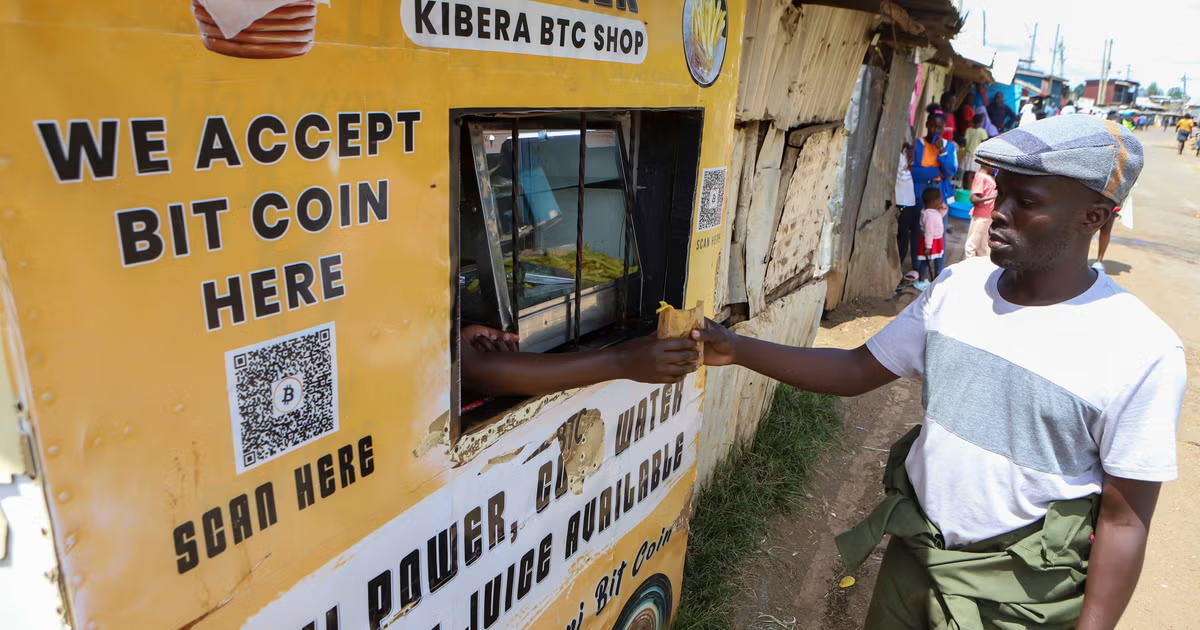
Afribit Kibera solved this by creating the earning opportunity first. The waste management group earns sats on weekends. The team then works with earners to identify where they want to spend, such as washrooms, sports houses, and bike riders. The Afribit team then approaches those specific merchants directly, doing the trust-building work necessary to get them to accept Bitcoin.
"We made sure we educated every merchant before we put up a pay code for them. They had to be equipped with wallets and Bitcoin interactions before we asked them to accept anything." — Ronnie
The process has been slow, deliberately so. Rushing onboarding without education creates a brittle system. Instead, Afribit Kibera has built a resilient network where most new merchants are now referred to by existing merchants, and where bike riders confidently transact in Bitcoin as a matter of routine.
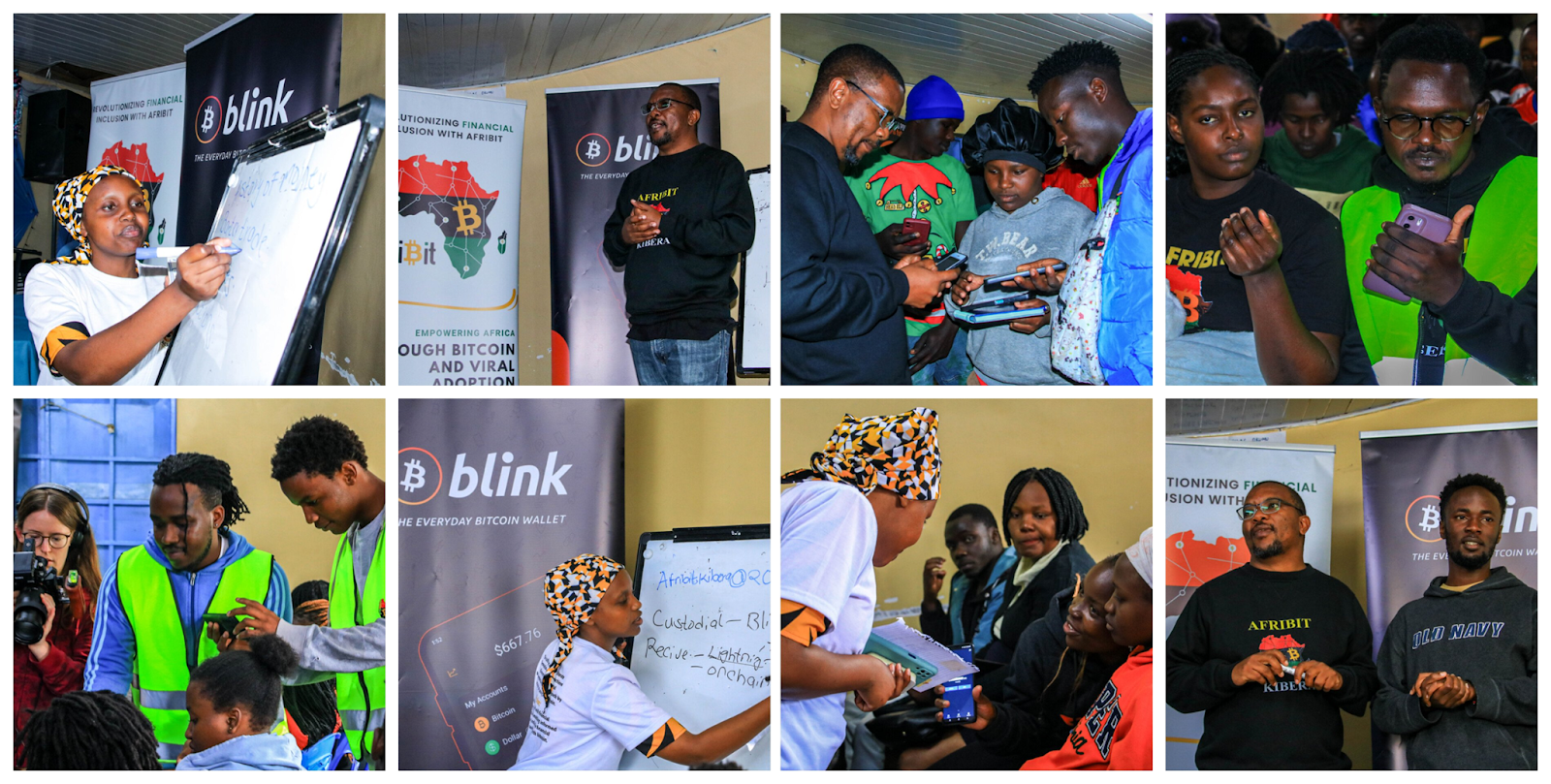
As of the time of this conversation, Afribit Kibera has onboarded approximately 50 merchants across Kibera. Active Bitcoin users within the ecosystem range between 400 and 600 individuals, and the community has collectively processed over 3,000 Bitcoin transactions. For context, these numbers represent an informal settlement that had virtually no Bitcoin literacy or infrastructure just a few years ago.
But Ronnie is careful not to let statistics tell the whole story. The numbers, he says, do not capture what is actually happening in Kibera.
"Are we seeing progress in people understanding and shifting to Bitcoin? Are people able to hold value over time? Are we seeing change? Yes, but I won't jump the gun and call it a success yet. This is a slow, tedious, work-in-progress. And that's the honest thing I can say." — Ronnie
The signs he does point to are behavioural. Community members are buying satoshis voluntarily. They are saving in Bitcoin. They are teaching each other, peer-to-peer education spreading through personal networks. People are changing their profile pictures to Bitcoin symbols, branding their businesses with Bitcoin iconography, and wearing Bitcoin proudly. In Kibera (a community that was once deeply sceptical), this cultural shift is, in Ronnie's words, a win.
Practical wins abound, too. Blink Wallet's StableSats feature has helped community members hedge against Bitcoin's price volatility, a critical consideration for people living close to the economic margin. Bitcoin has proven cheaper than M-Pesa for everyday transactions, saving fees that matter at this income level.
Families abroad are using Bitcoin for seamless remittances: one community member, Blancos, is actively teaching his sister in Iran to send value home via Bitcoin, bypassing the predatory costs of traditional remittance corridors entirely. A local artist has even produced music carrying a Bitcoin message that is resonating deeply with younger generations across Kenya.
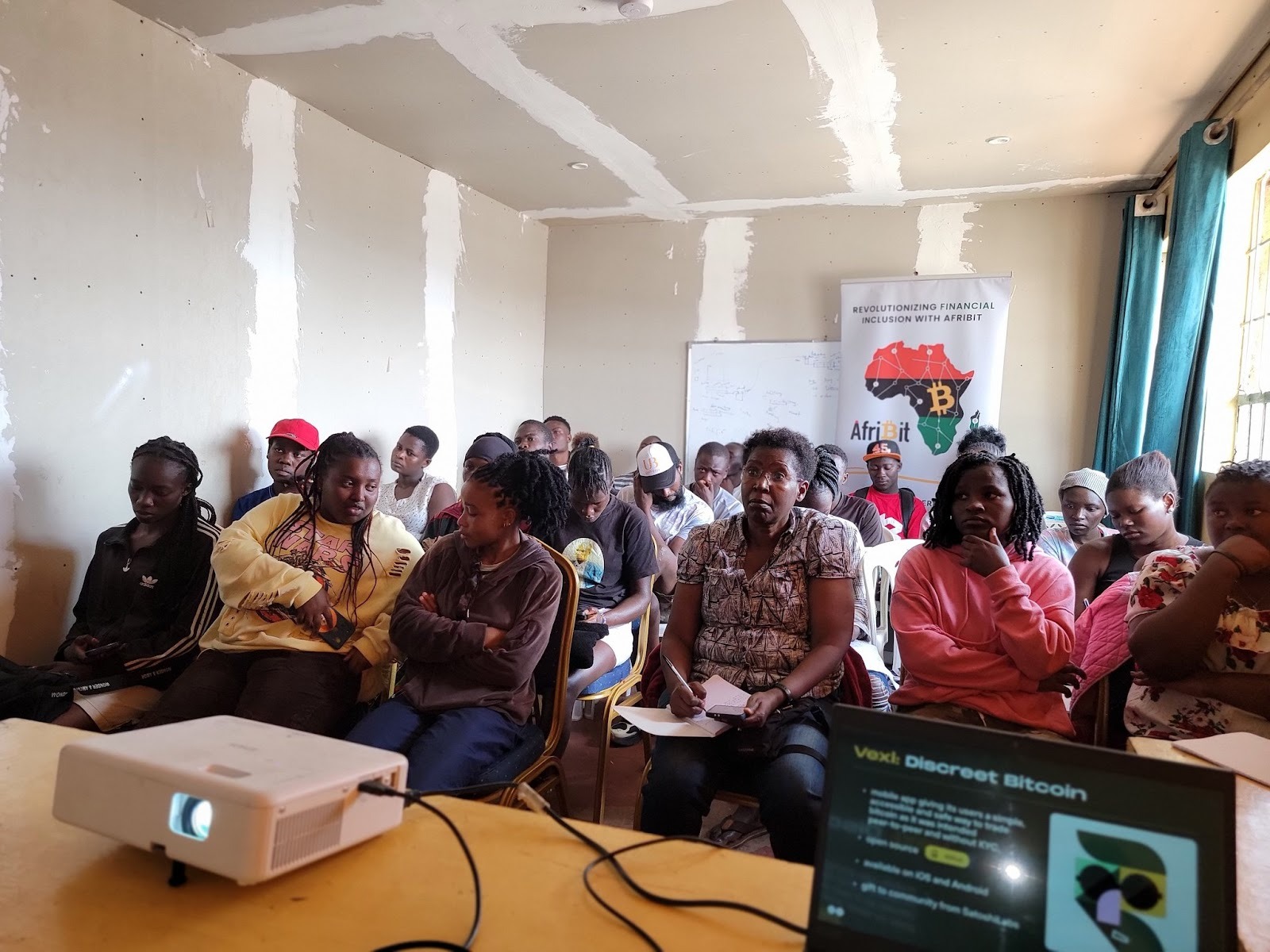
Ronnie does not shy away from the difficulties. The Afribit Kibera team faces a formidable list of challenges, and they wear them honestly as evidence of real-world building rather than performative success.
Equipment for the waste management group remains insufficient. The surge in demand for Bitcoin education far outpaces the team's capacity to deliver, even with a full volunteer base, time is scarce, and tasks accumulate faster than they can be delegated.
Liquidity is a persistent issue. Technology is a barrier: many community members use outdated phones incapable of running modern wallet applications. Data access (the basic internet connectivity required to use any Bitcoin application) remains inadequate for many.
In response to the connectivity challenge, Afribit Kibera is actively working with Fedi on SateNet, a solution designed to bring reliable internet access to underserved communities. The team is also exploring how to make the circular economy genuinely self-sustaining a system where services rendered within the economy generate earnings that fund the economy's own continued growth.
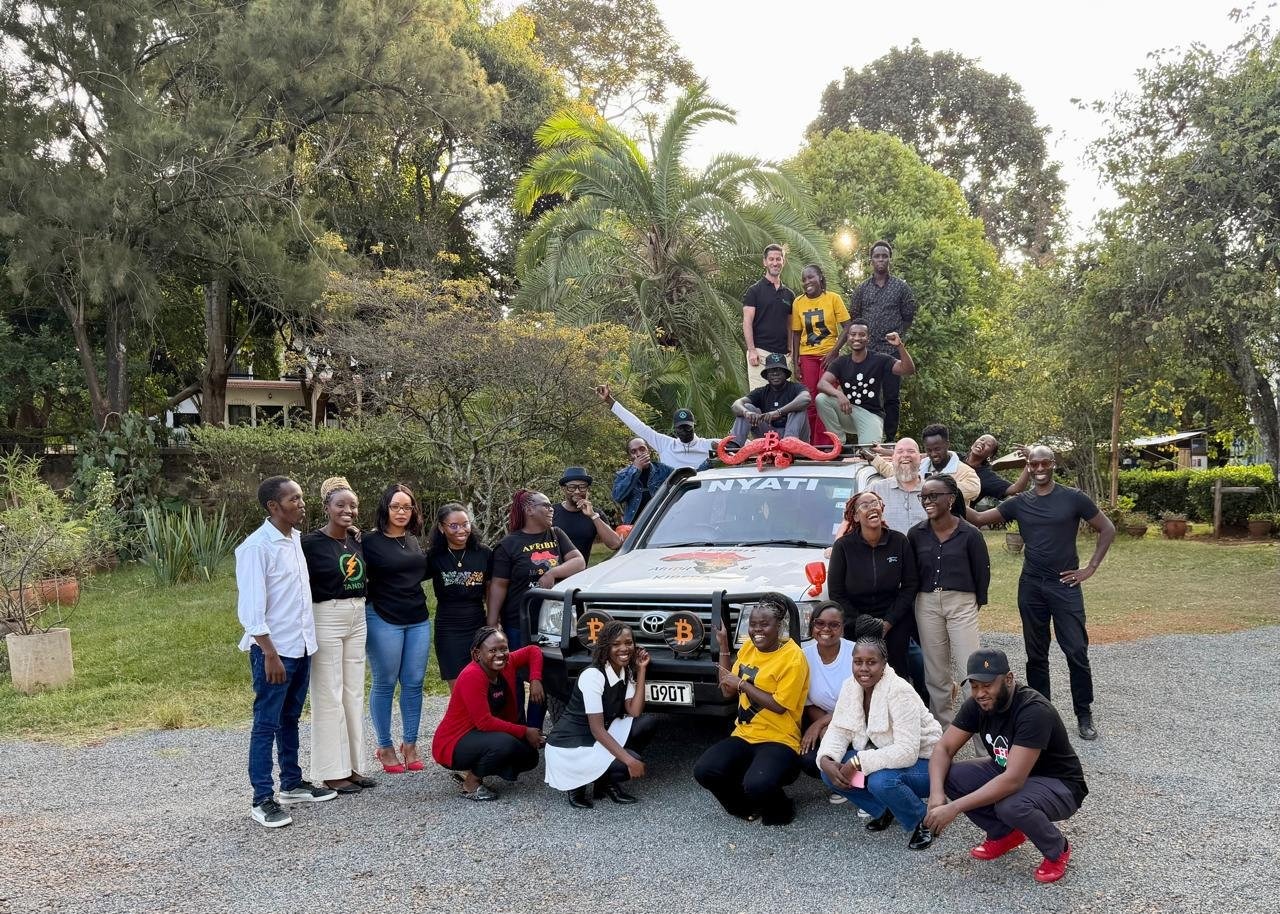
During our conversation, Ronnie spoke about a phenomenon gaining traction across Kenya, Bitcoin Nyati. Adorned with Bitcoin messaging and QR code linking to Bitcoin.co.ke, and it was made possible by initiatives like Bitcoin Ekasi, Bitcoin Beach, and Bitcoin 4 Humanity, and the broader Bitcoin community, the vehicle is turning heads and sparking conversations on Kenyan streets.
"Bitcoin Nyati is a tool that is gaining a lot of attention and engagement, an education billboard on the move creating more awareness." — Ronnie
Blink Wallet has been the primary wallet for the Afribit Kibera community since the beginning, not by decree, but by merit. Its ease of onboarding made it accessible for first-time users. Its StableSats feature provided crucial volatility protection. Its interface was simple enough for community members new to digital finance.
But the feature Ronnie highlights most is something less visible: direct access to the Blink team itself.
"Blink Wallet was the first wallet most people in the community ever knew. It sorted itself out over time, proving itself through consistent performance where it mattered most
We've had incidents in Kibera where someone might have locked themselves out by registering multiple times. Kemal from the Blink team was there in a flip of a second and sorted it out. That kind of interaction is what built the relationship we have with Blink." — Ronnie
The multi-account feature has been a particular game-changer: in households where only one person owns a smartphone, multiple family members can now maintain individual Bitcoin accounts on the same device. Easy phone-number-based recovery, seamless Blink-to-Blink transactions, and reliable performance have made it the community's default choice.
"All the apps we have now are building on the foundation Blink laid." — Ronnie
That says it all. While Blink wallet remains the dominant community choice, the ecosystem around it is maturing. Manchakura serves community members using feature phones. Fedi, in combination with SateNet, is beginning to reach users who previously lacked reliable internet access.
What ties it all together, and what Ronnie highlights as critical to the ecosystem's health, is interoperability (the ability to send satoshis fluidly between wallets, back and forth, without friction).
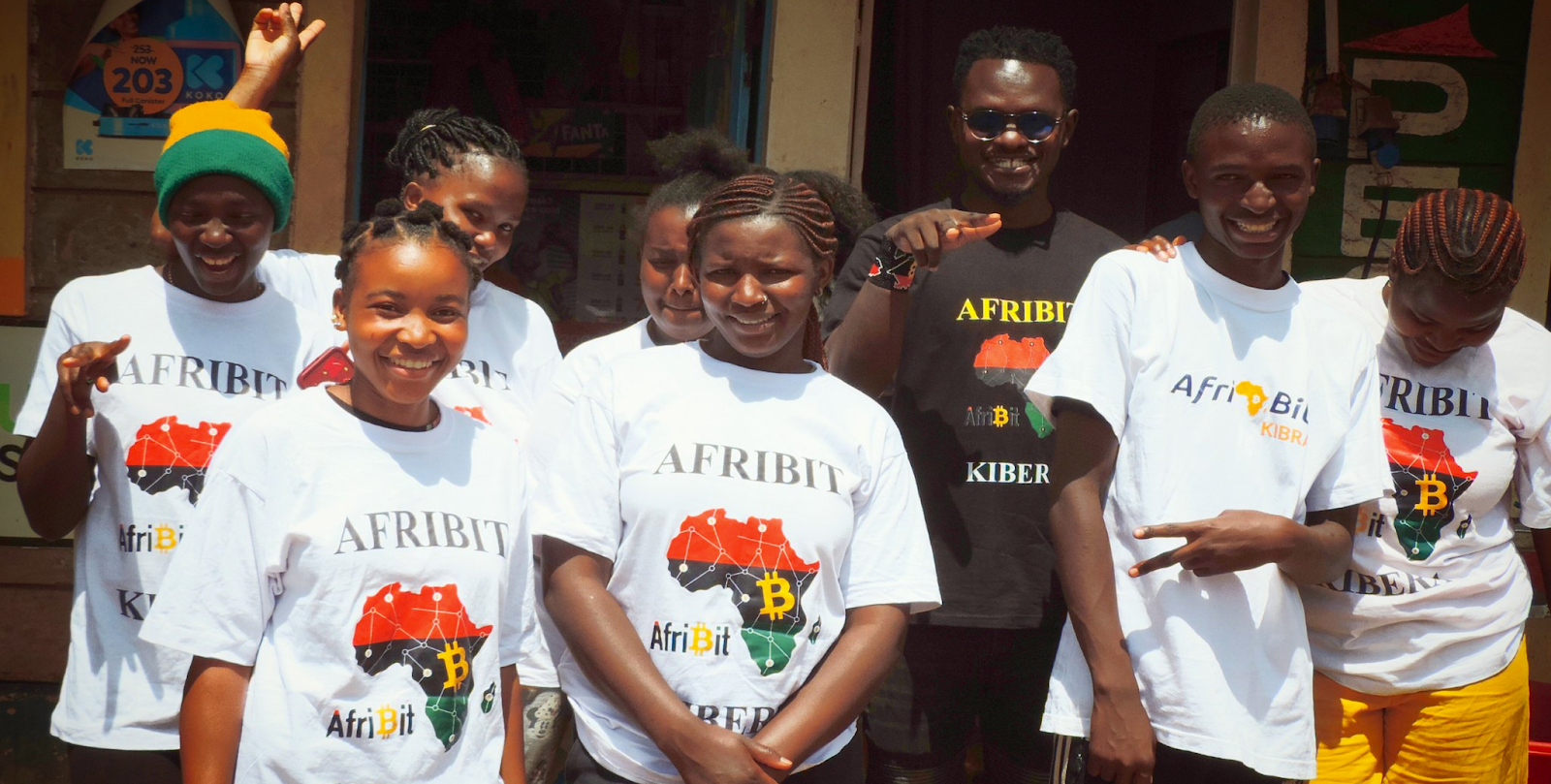
When asked where Afribit Kibera will be in the coming months, Ronnie's answer is characteristically grounded. He does not describe a roadmap with KPIs or a funding target. Instead, he describes a movement, one already developing its own momentum.
"I see an organic movement already happening in its own way. Afribit Kibera doesn't need to be the leader of everything. What I want to see is Afribit Kibera producing independent leaders, and Bitcoin winning in the larger sense." — Ronnie
The team is exploring a Bitcoin-collateralised lending tool that would allow community members to borrow against their Bitcoin holdings, a product that could deepen financial inclusion meaningfully. They are also considering how to scale the model responsibly across Kenya, leaning on organic growth rather than engineered replication, and looking for communities that are inspired rather than instructed.
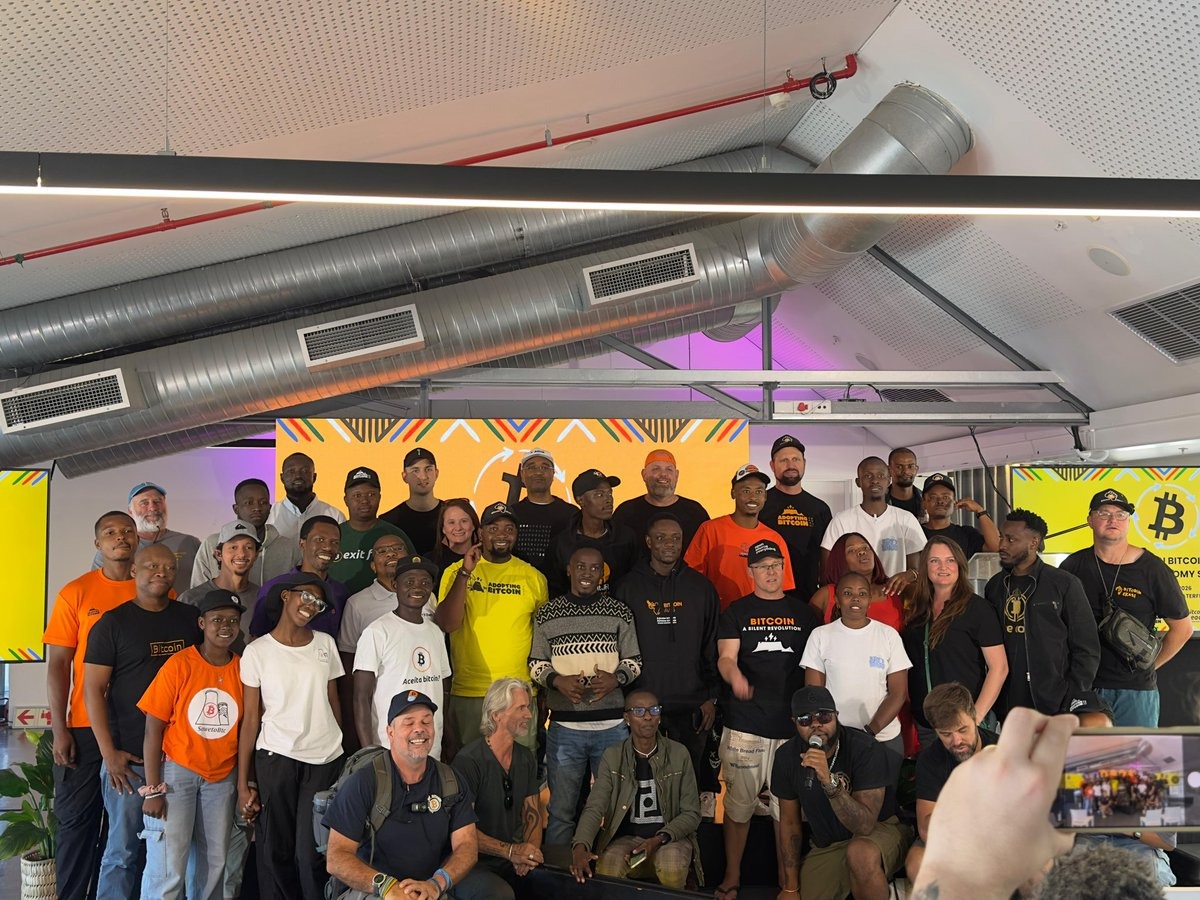
On January 29, 2026, Workshop 17 at the V&A Waterfront in Cape Town hosted the African Bitcoin Circular Economy Summit, where a wealth of insights were shared on building circular economies across the continent. In the spirit of that, I asked Ronnie to share his own message to builders, and here is what he said:
"Focus on a need that exists in the community, and make sure that need and its solution are doable even without Bitcoin.
Don't go into a community ranting about Bitcoin with no purpose. Find a need in a community where you already have trust, where you are deeply engaged and known.
These communities already know what they want. They just want partners. If you have their trust, their interest, and you are adding real value, they will come on board. Go human, and go as one of them." — Ronnie
On where to begin:
"Don't even start with Bitcoin. Start with financial literacy classes. Let them understand first, then introduce Bitcoin as the tool that enhances what they already understand about saving and value.
You are not trying to prove anything to anyone. You are trying to elevate a community. If your heart is in the right place, everything else falls into place. Put in the work. The resources will come at the right time.
Bring the human connection, because all these Bitcoin concepts have to be brought down to the human level to solve real-life problems. That is how Bitcoin becomes powerful and potent for social good." — Ronnie
And on the critical question of funding:
"If you are starting a circular economy to get funding, that is one sure way of failing. You might get seed money, but down the line, you will be frustrated if more funding doesn’t come in. Instead, get the community together and find solutions as a community, not for personal gain. Don't make it about you." — Ronnie
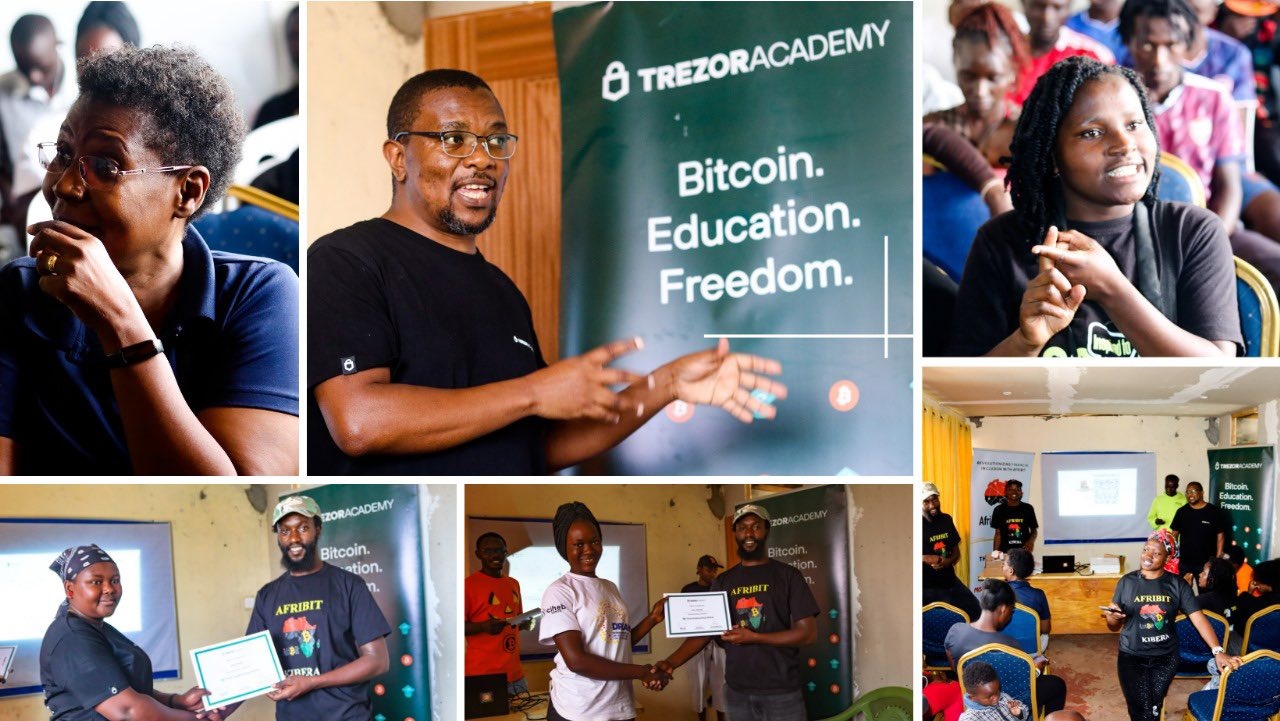
Afribit Kibera is not a headline; It is not a viral moment or a grant-funded pilot programme. It is a decade of community relationship, a few years of patient Bitcoin integration, and the slow, deliberate cultivation of human behaviour change in one of the world's most complex urban environments.
The true measure of its success will not be counted in press releases or conference presentations. It will be counted in the number of people in Kibera who, five or ten years from now, have savings that cannot be inflated away, remittances that arrive without predatory fees, and identities that do not depend on documents that a fire can destroy.
Ronnie said it best when I pushed him for a final verdict on whether Afribit Kibera has succeeded:
"We are still building." — Ronnie
And that, more than any statistic, is the most honest and most powerful thing a Bitcoin circular economy builder can say.
Reach Afribit Kibera on X: @AfribitKibera | Website: afribit.africa
Start receiving and sending bitcoin now


